Minibot
Design a minibot capable of navigating an obstacle course through iterative design, fabrication, testing, and continuous improvement.
Project Overview
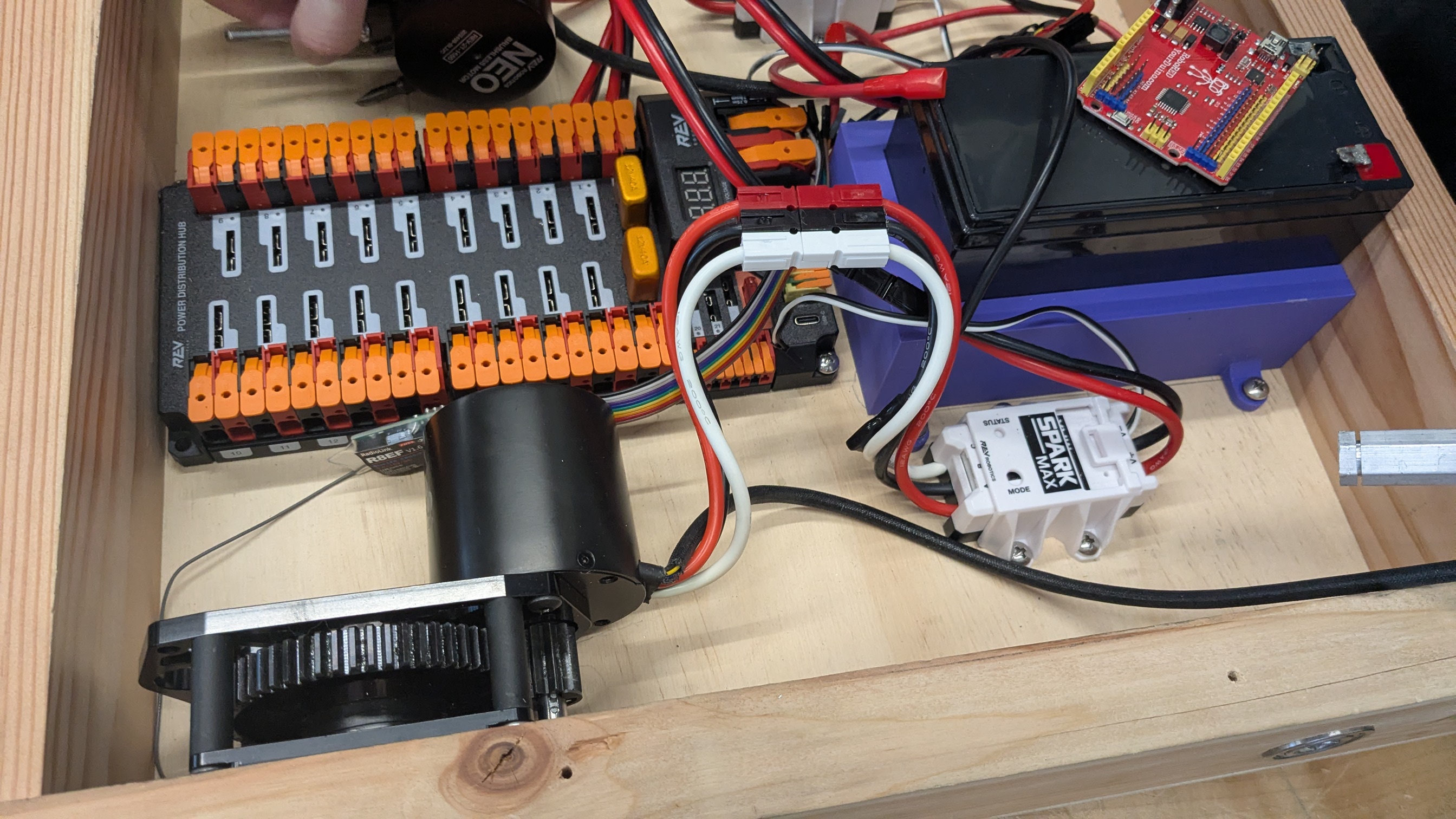
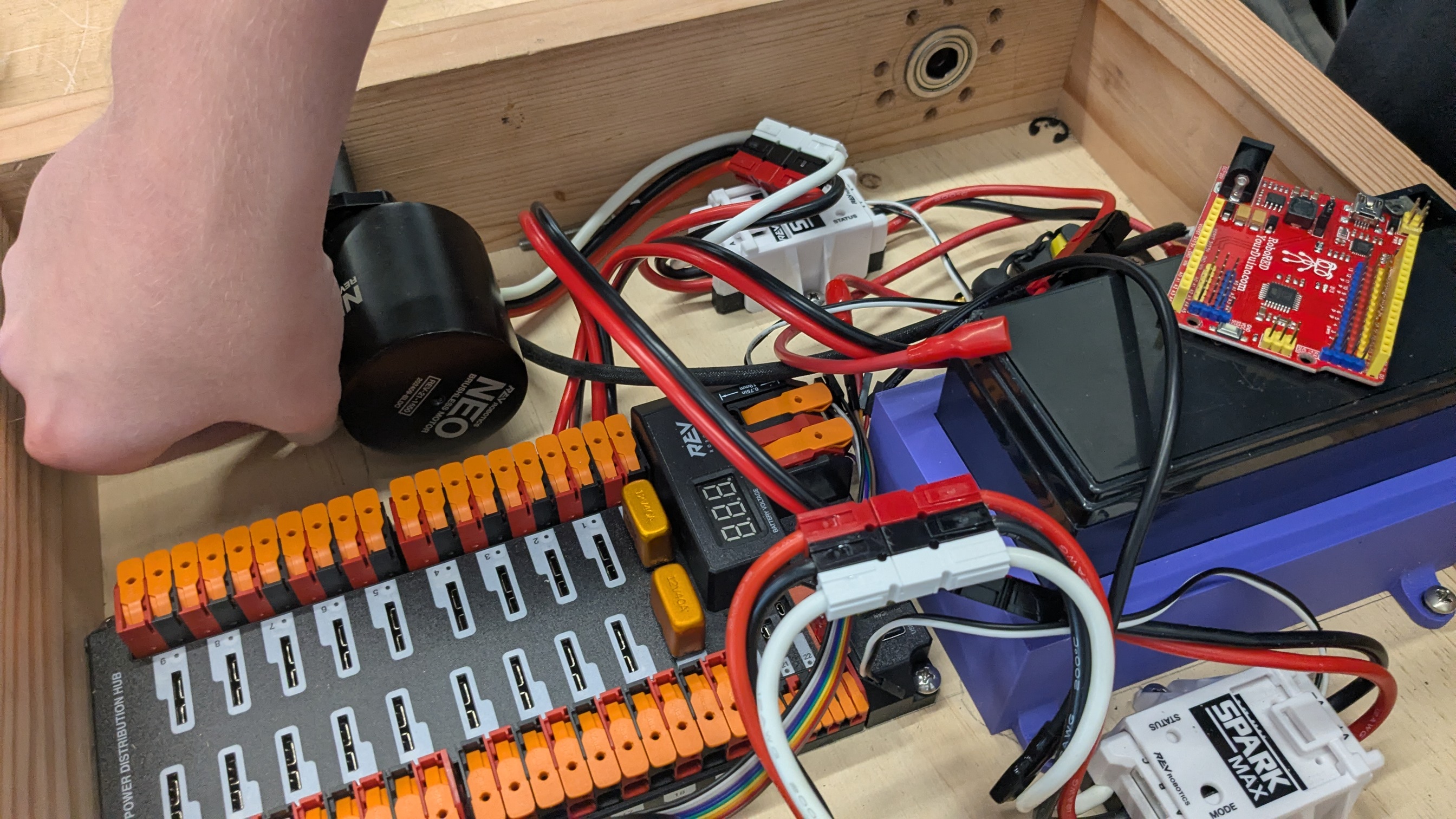
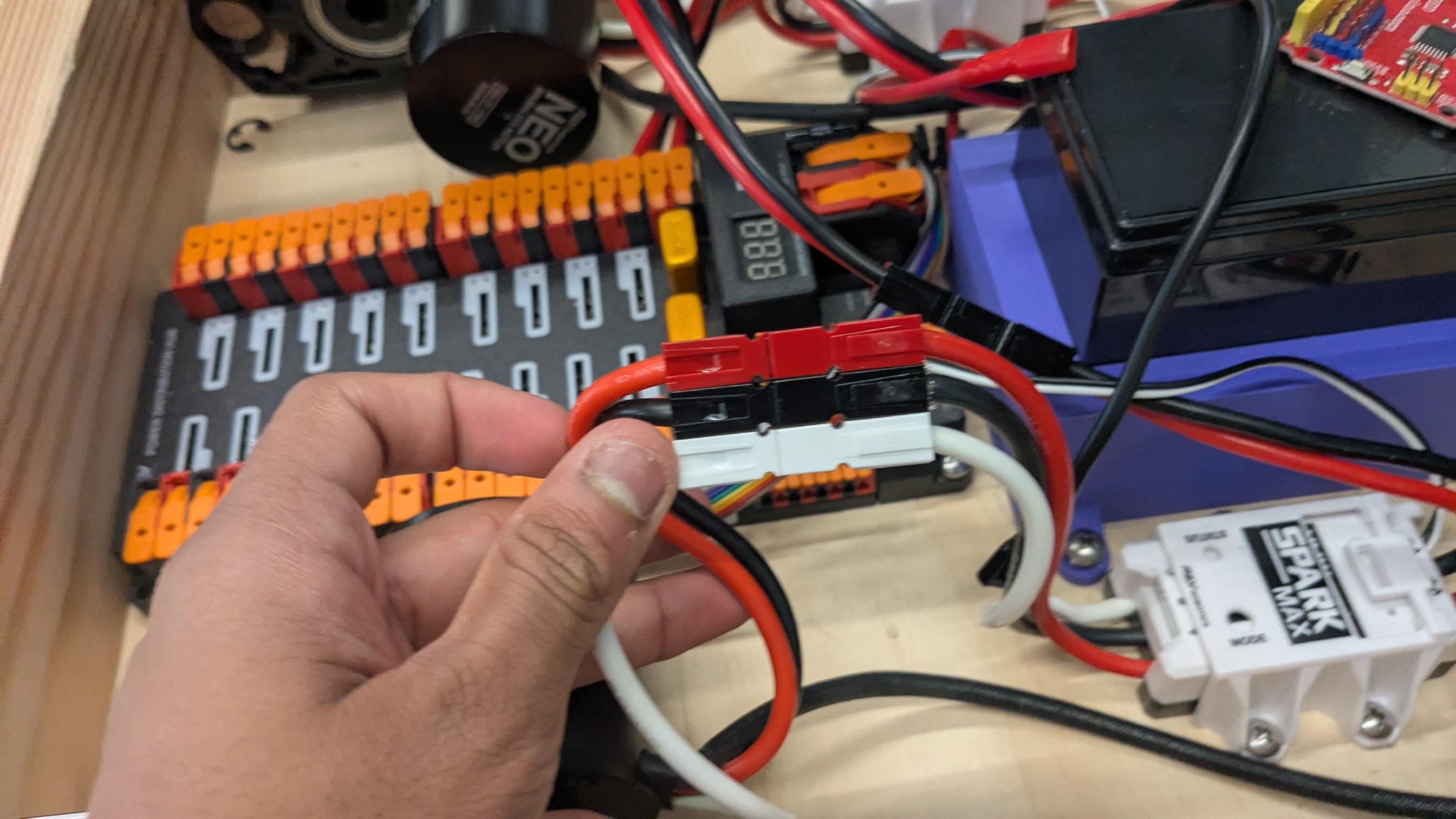
The objective of this project was to design and build a compact robot capable of completing a challenging obstacle course as quickly and reliably as possible. The obstacle course in question had a variety of features, including potholes, weighted doors, and limbo; the obstacles were often adjustable. Throughout the process we learned how engineering designs evolve through repeated testing and refinement. This project definitely tested both our technical and teamwork abilities. In the end, our robot was somewhat successful: It was able to move and be controlled by the controller; however, it could only move while rotating, making it unable to complete the vast majority of the obstacles.
Define
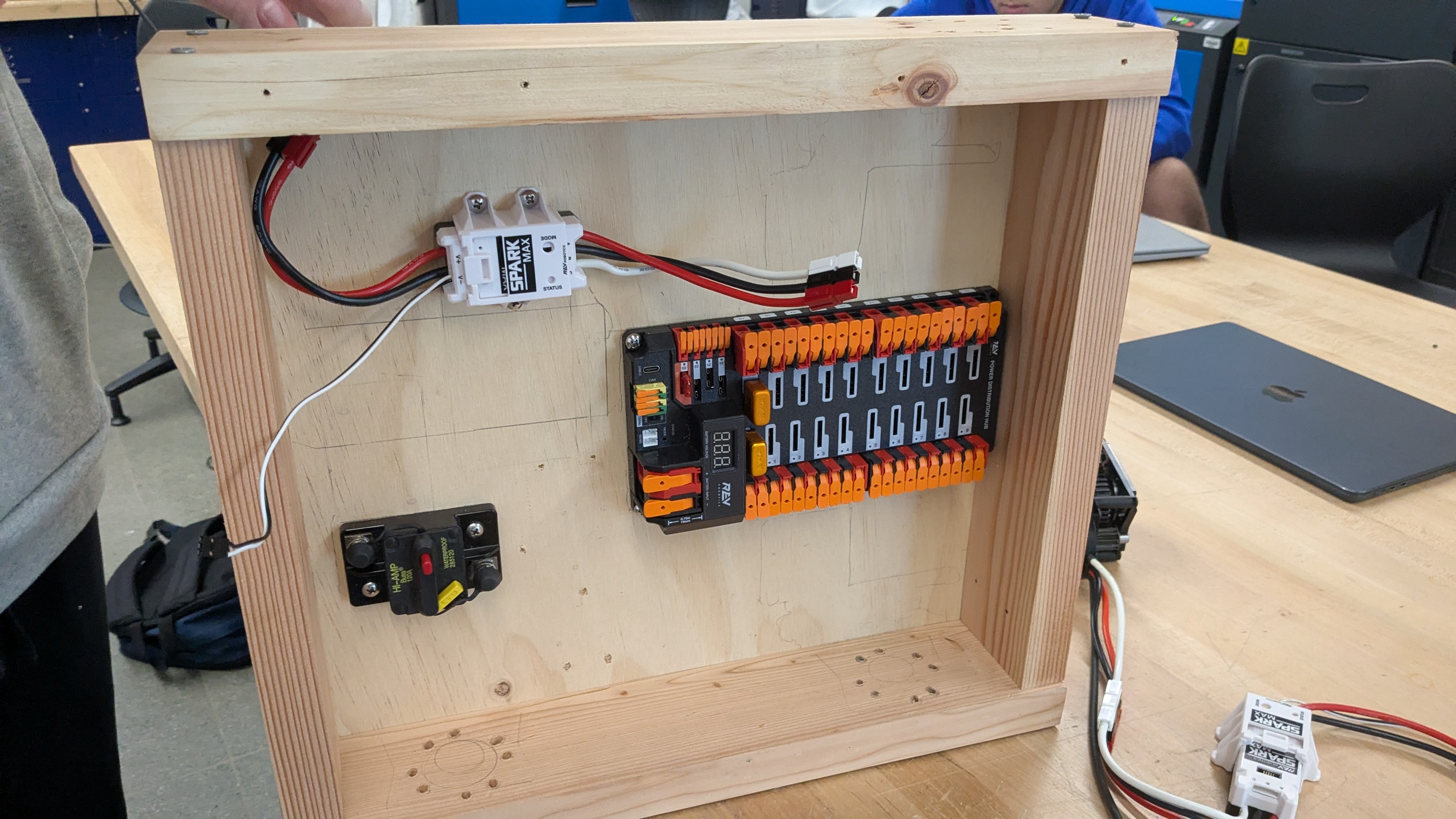
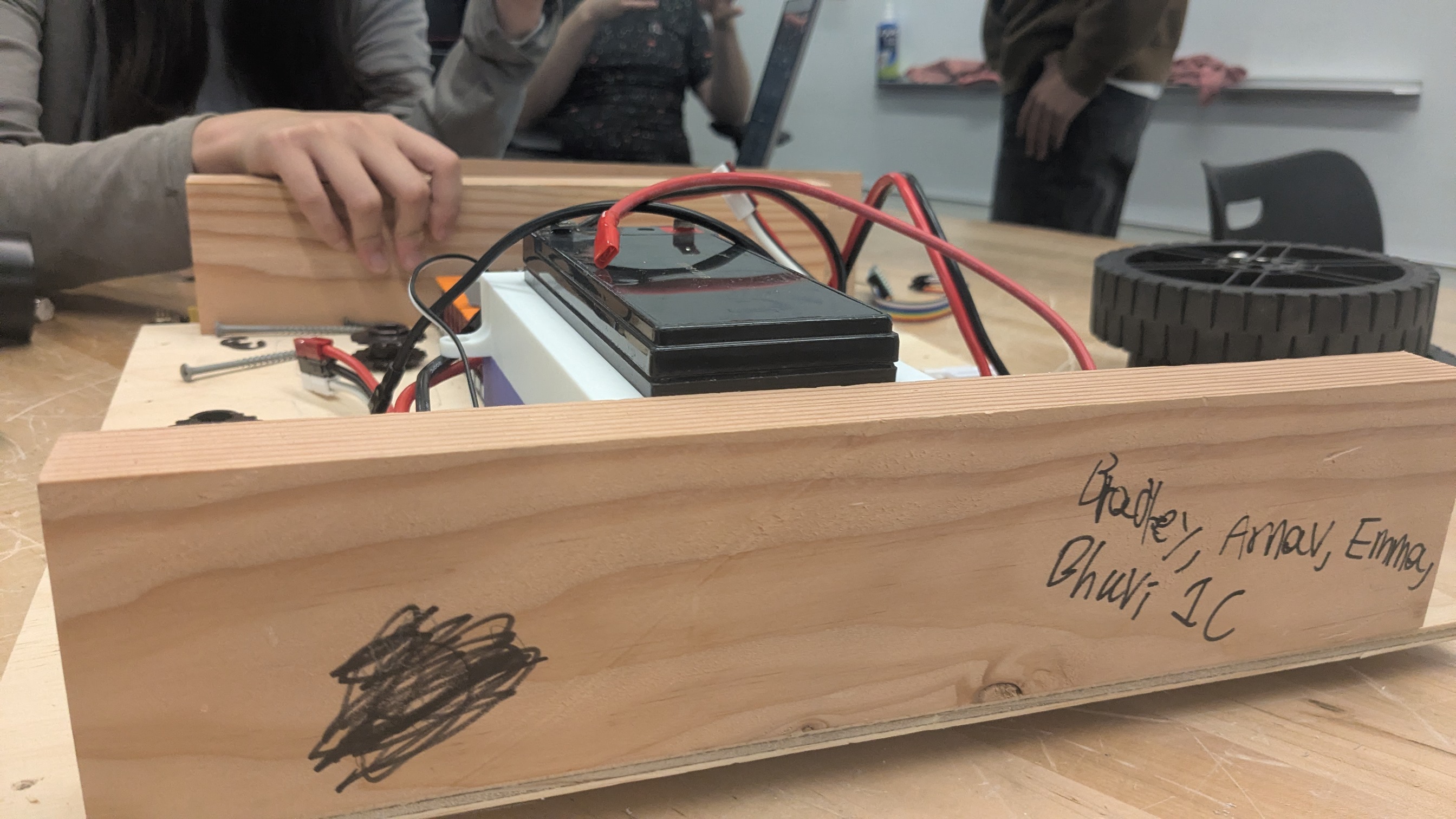
Our primary goal was to maximize speed while maintaining reliability across all obstacles. However, as the project continued, we became increasingly pressed for time. In the end, we were simply able to create a robot that would react to the controller. However, this reaction does not imply controllability: movement was always associated with rotation, making the robot essentially impossible to control, and by extension, complete the obstacle course. The steps we took to design our robot though were:
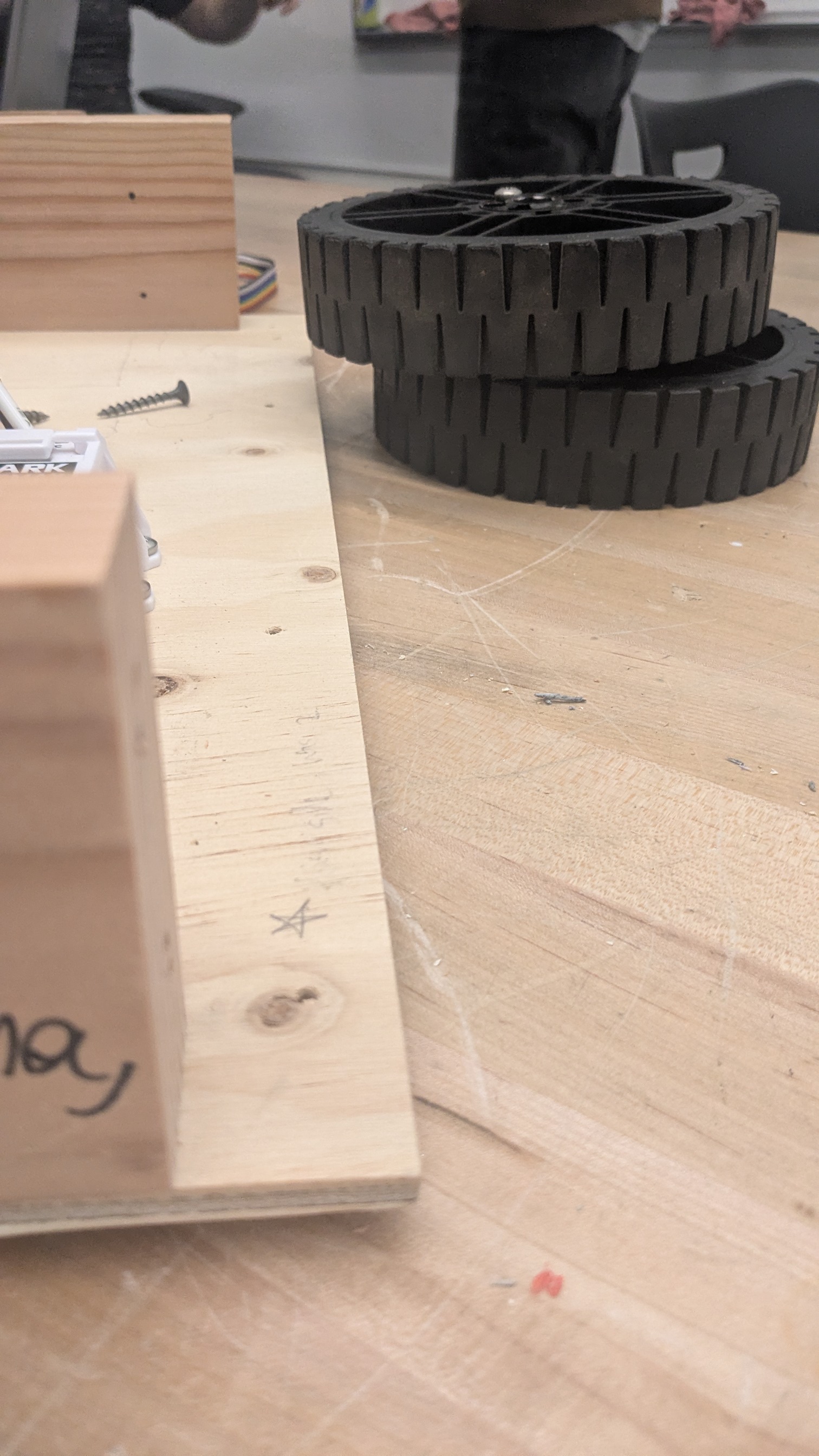
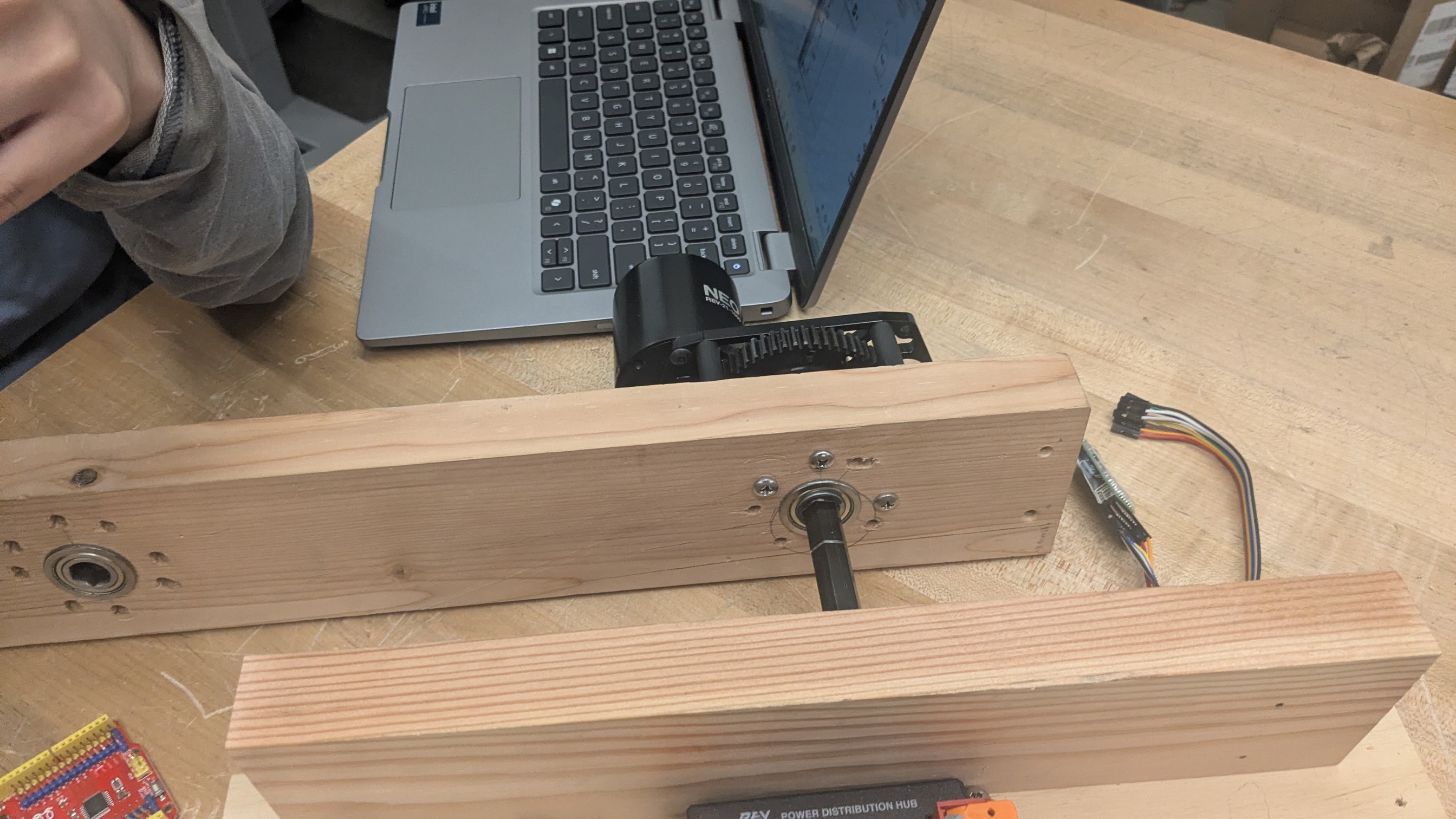
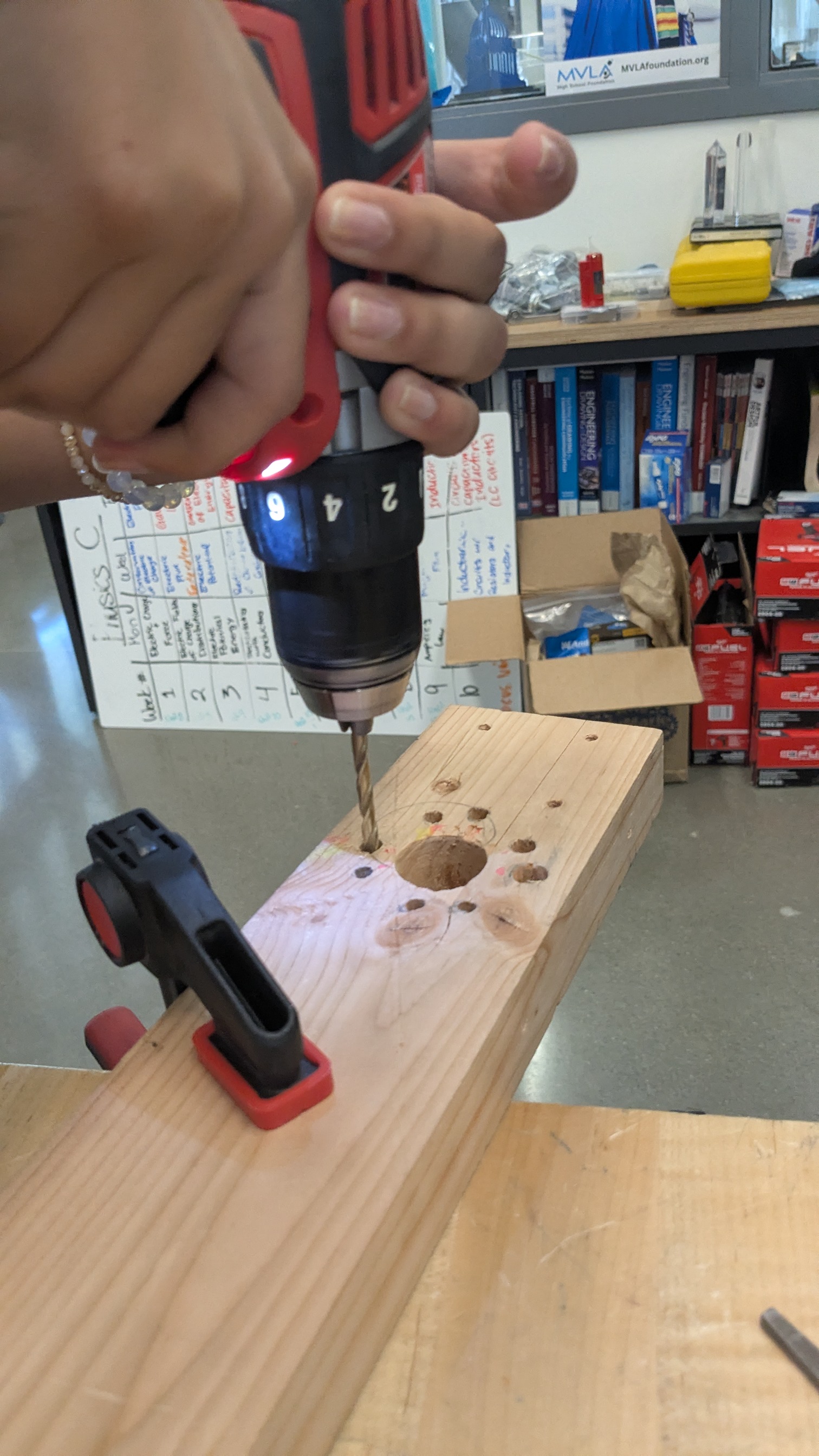
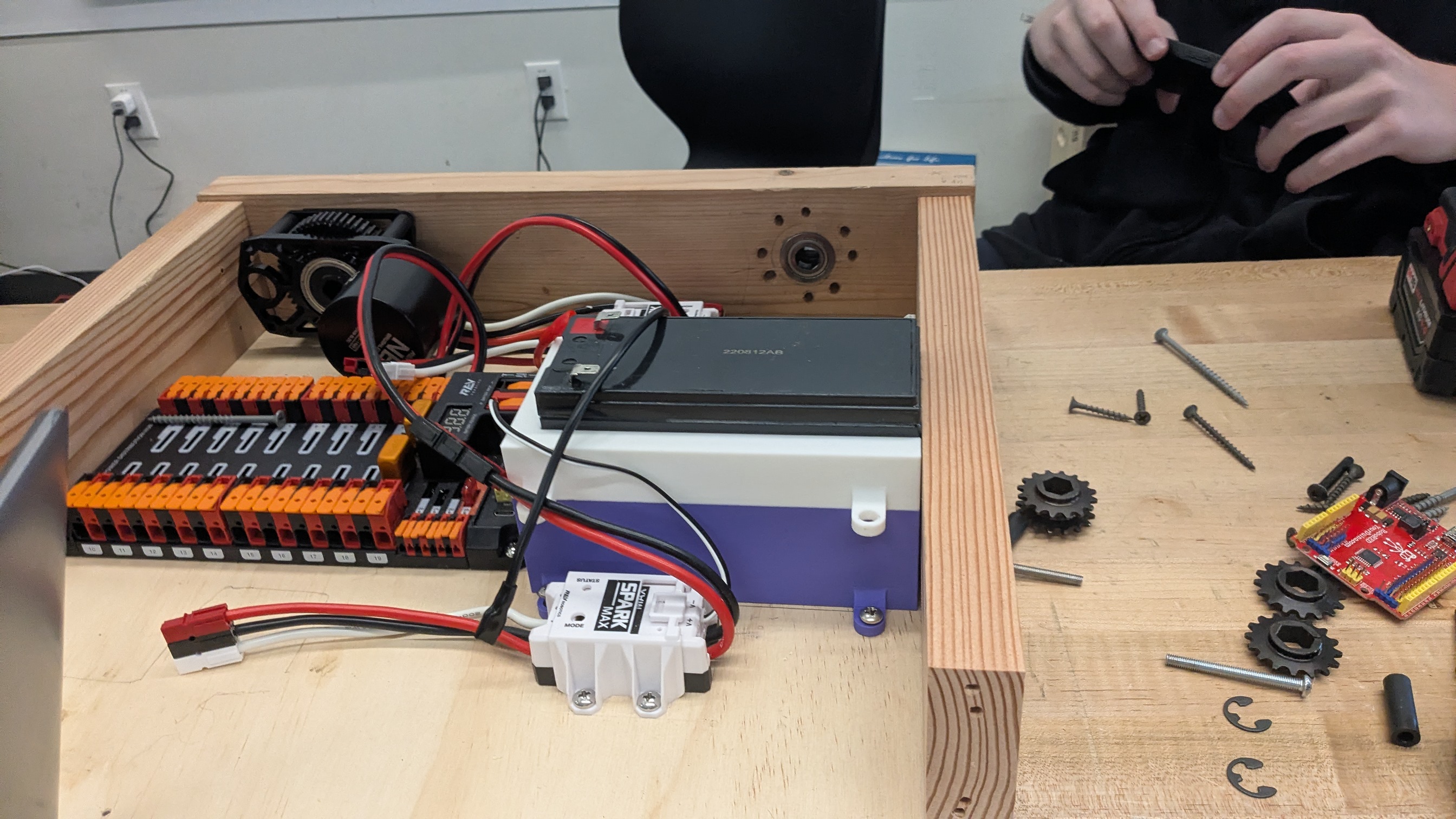
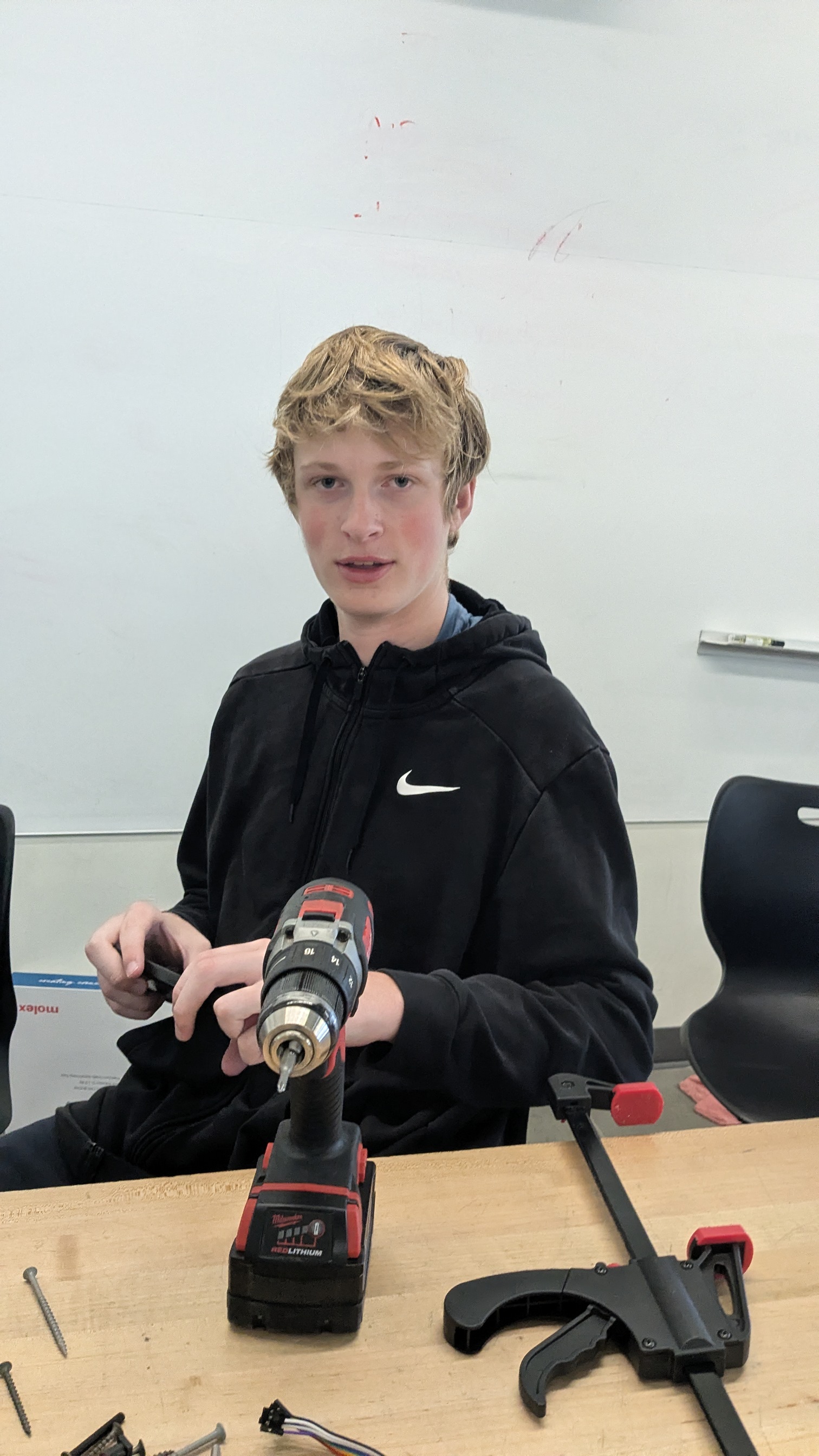
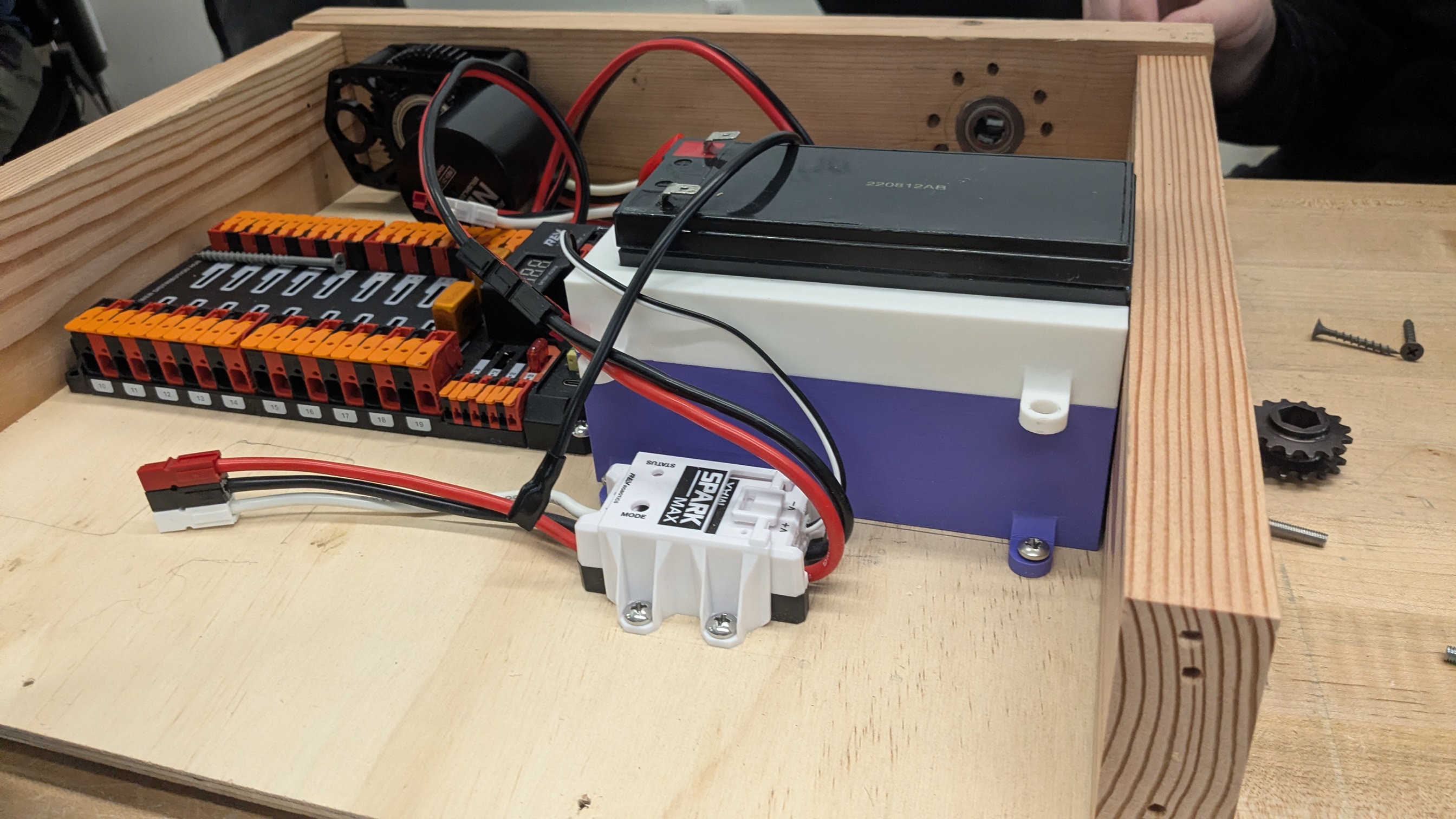
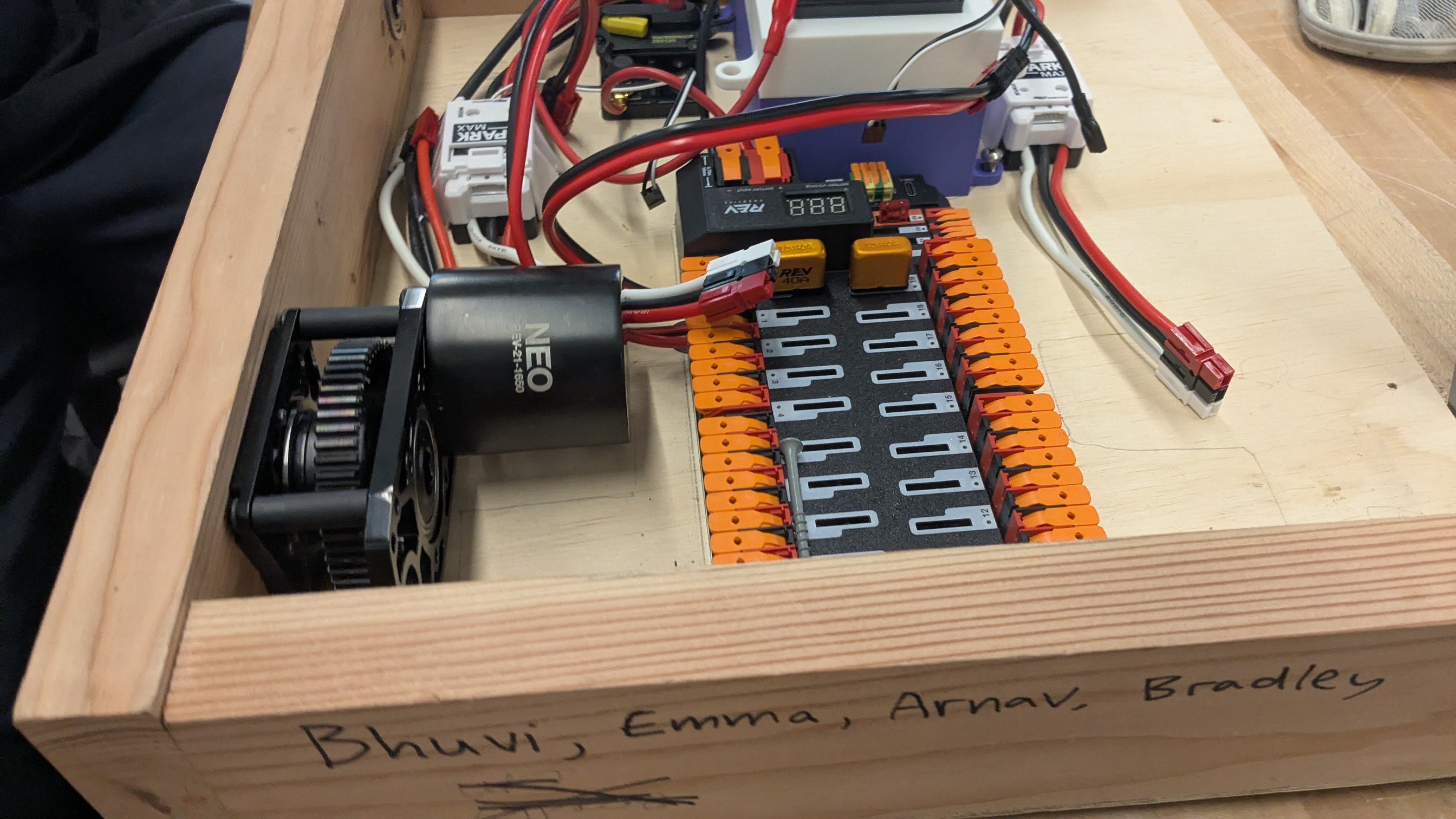
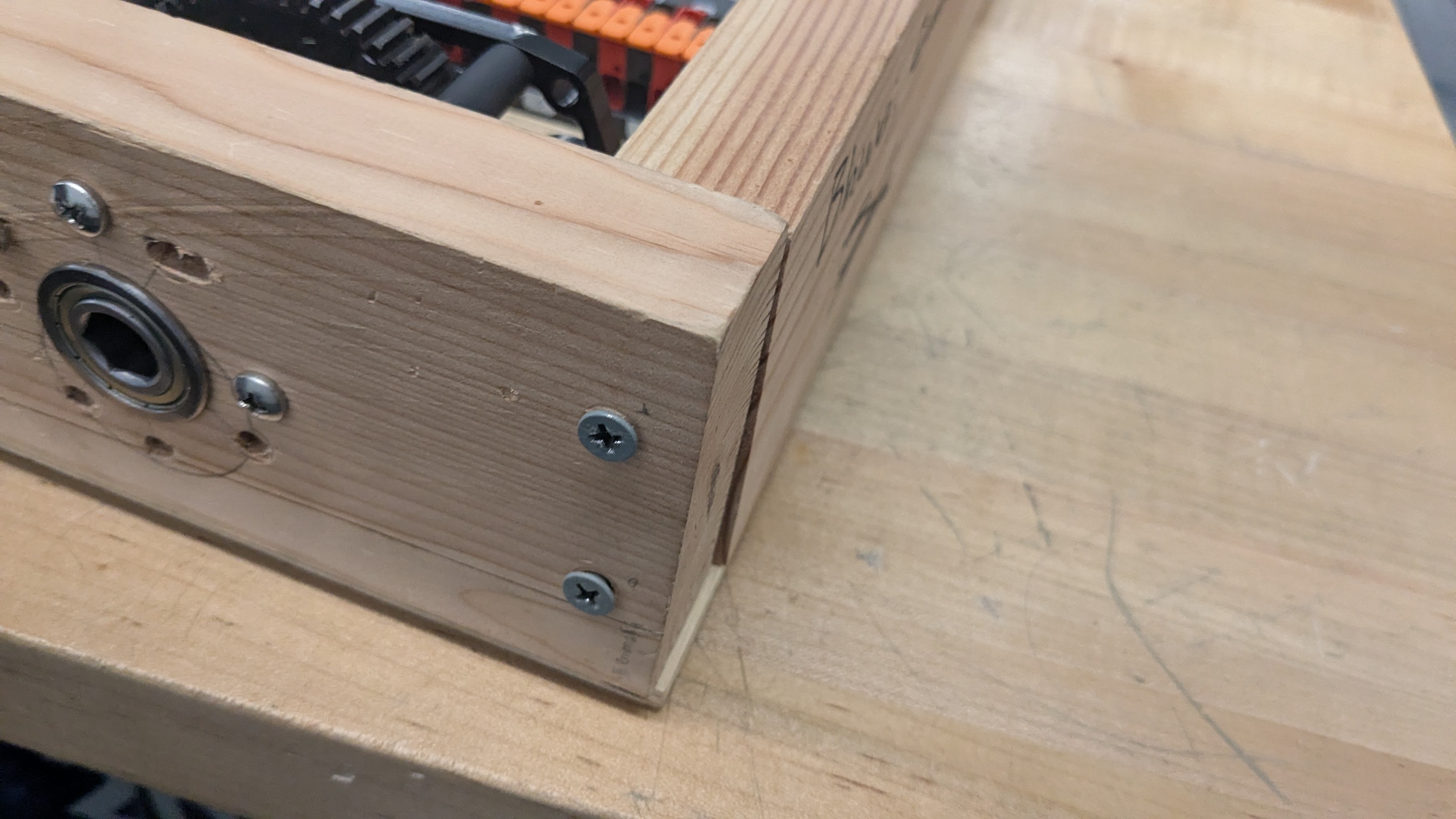
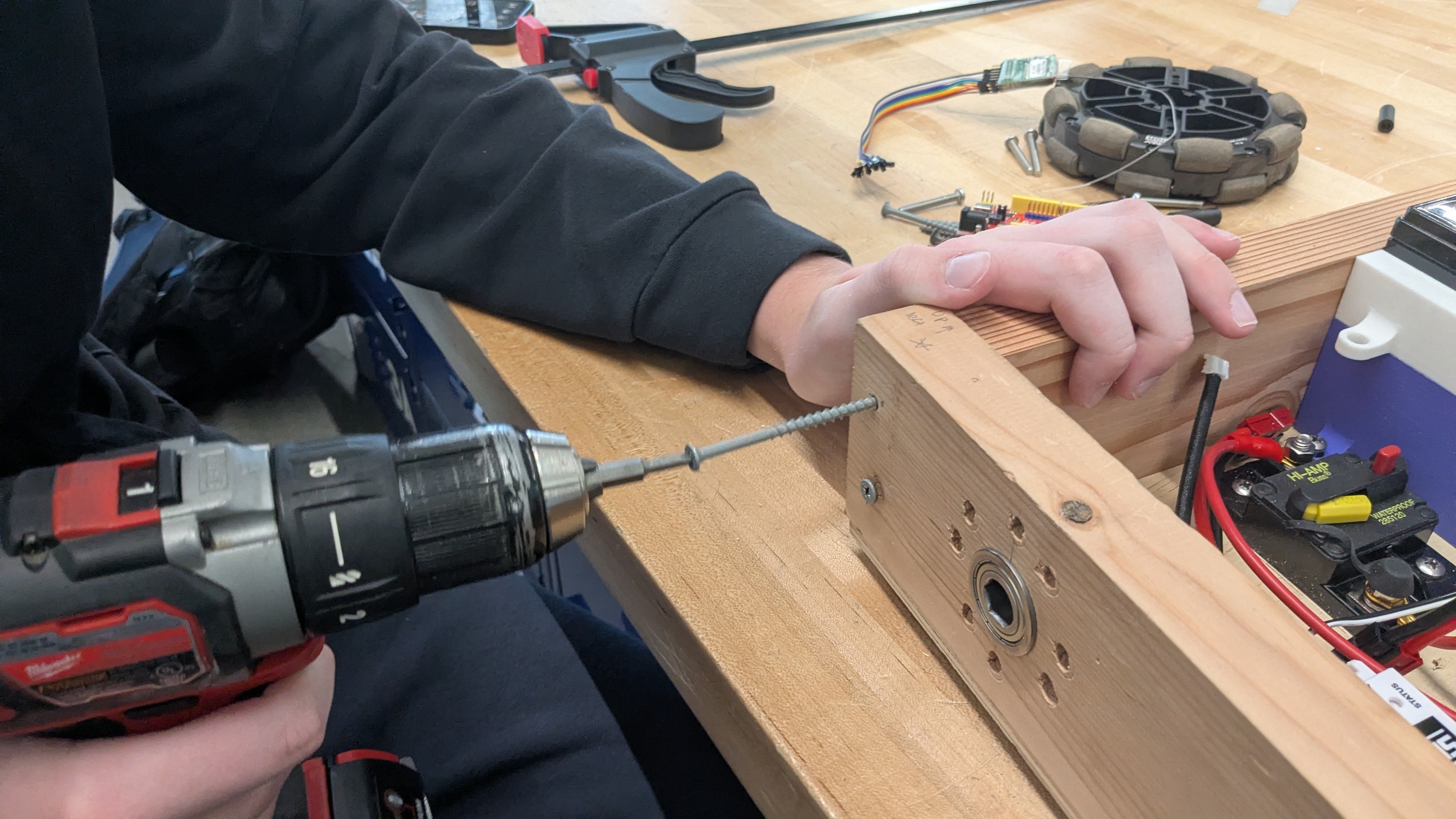
- Design and fabricate a lightweight and robust wooden drive base.
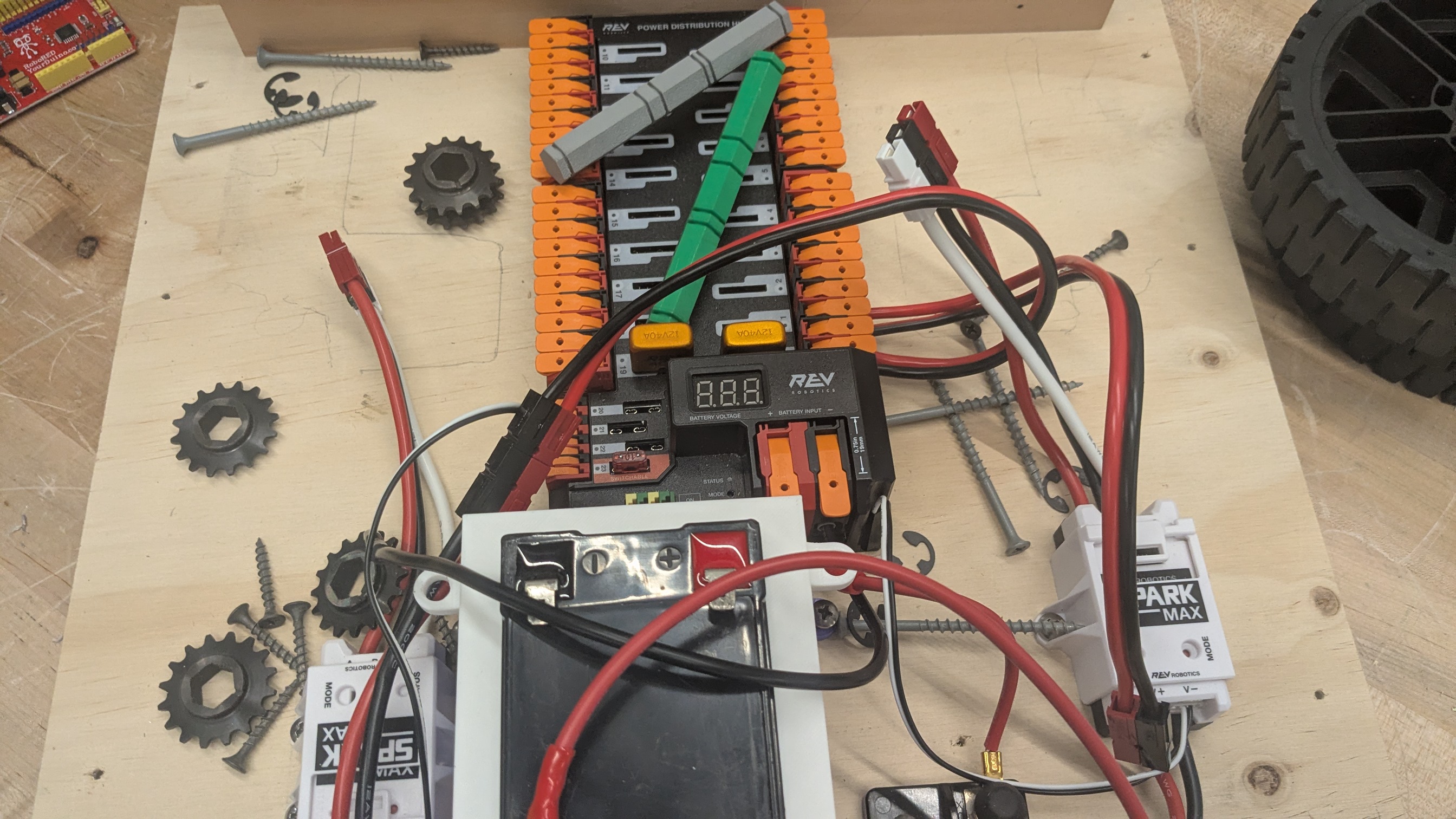
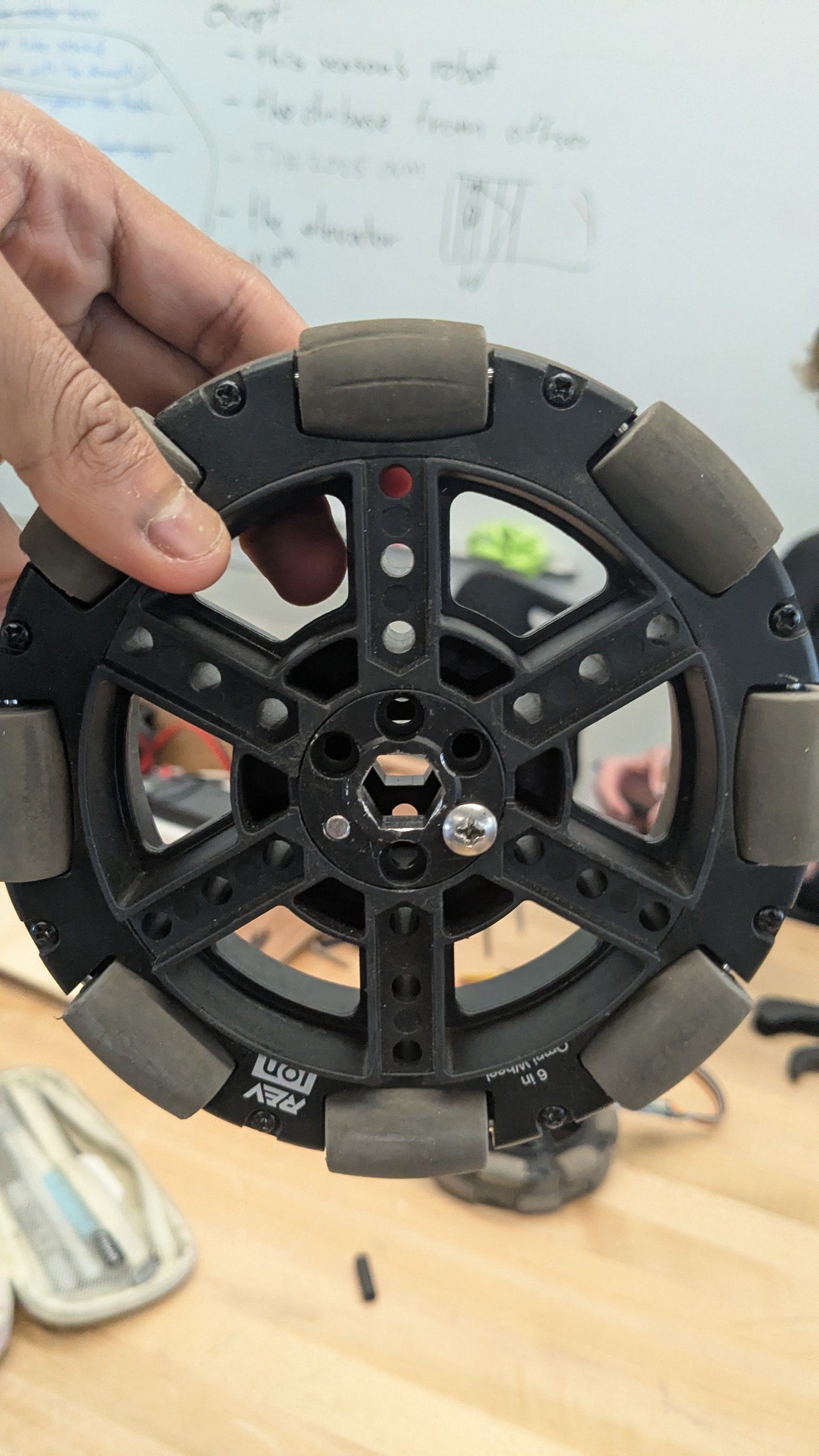
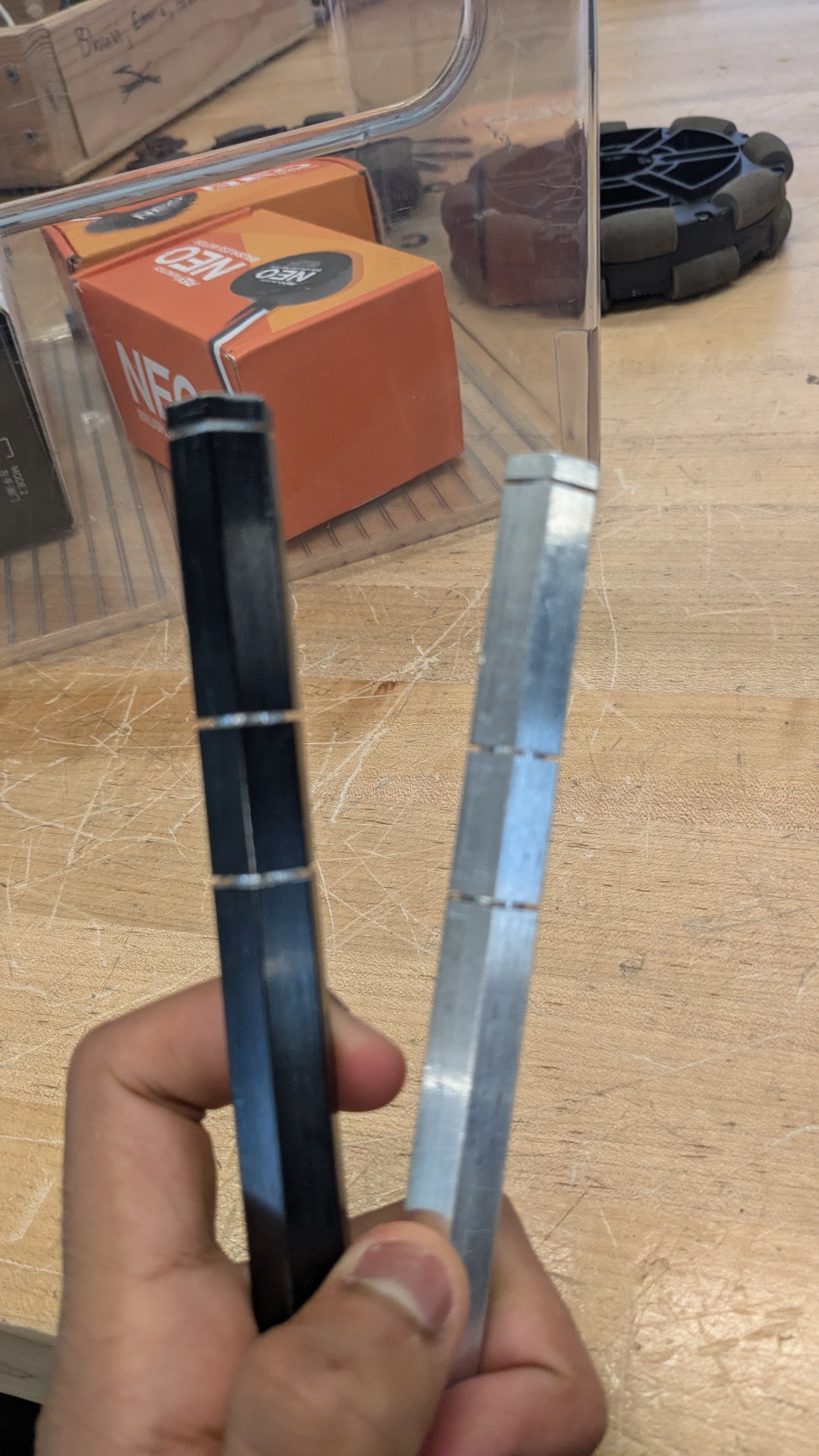
- Design and lathe a number of hex shafts.
- Write code to allow the robot to be controlled through a RadioLink controller.
- Apply the engineering design process and complete some obstacles!
Concept and CAD Design
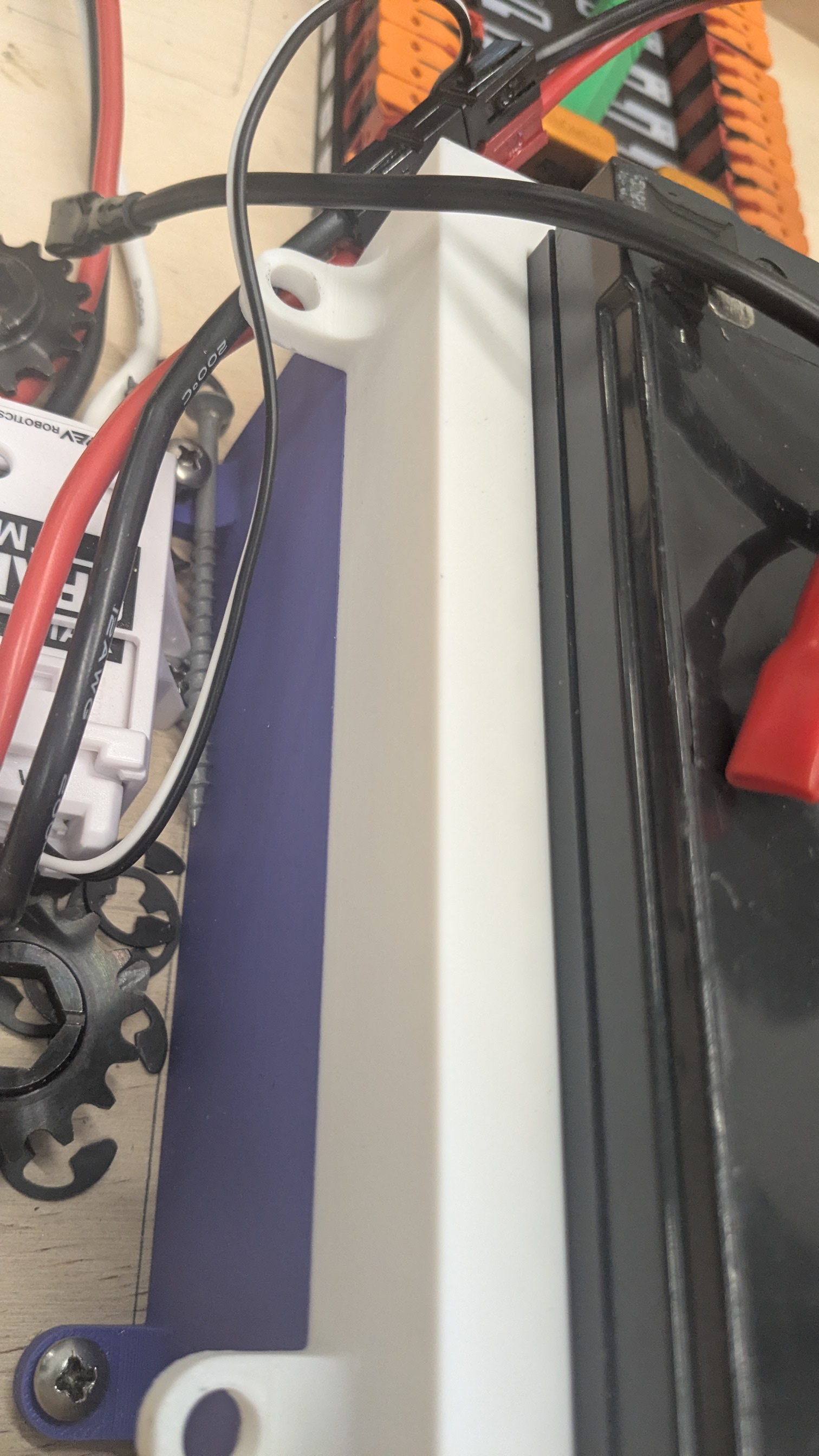
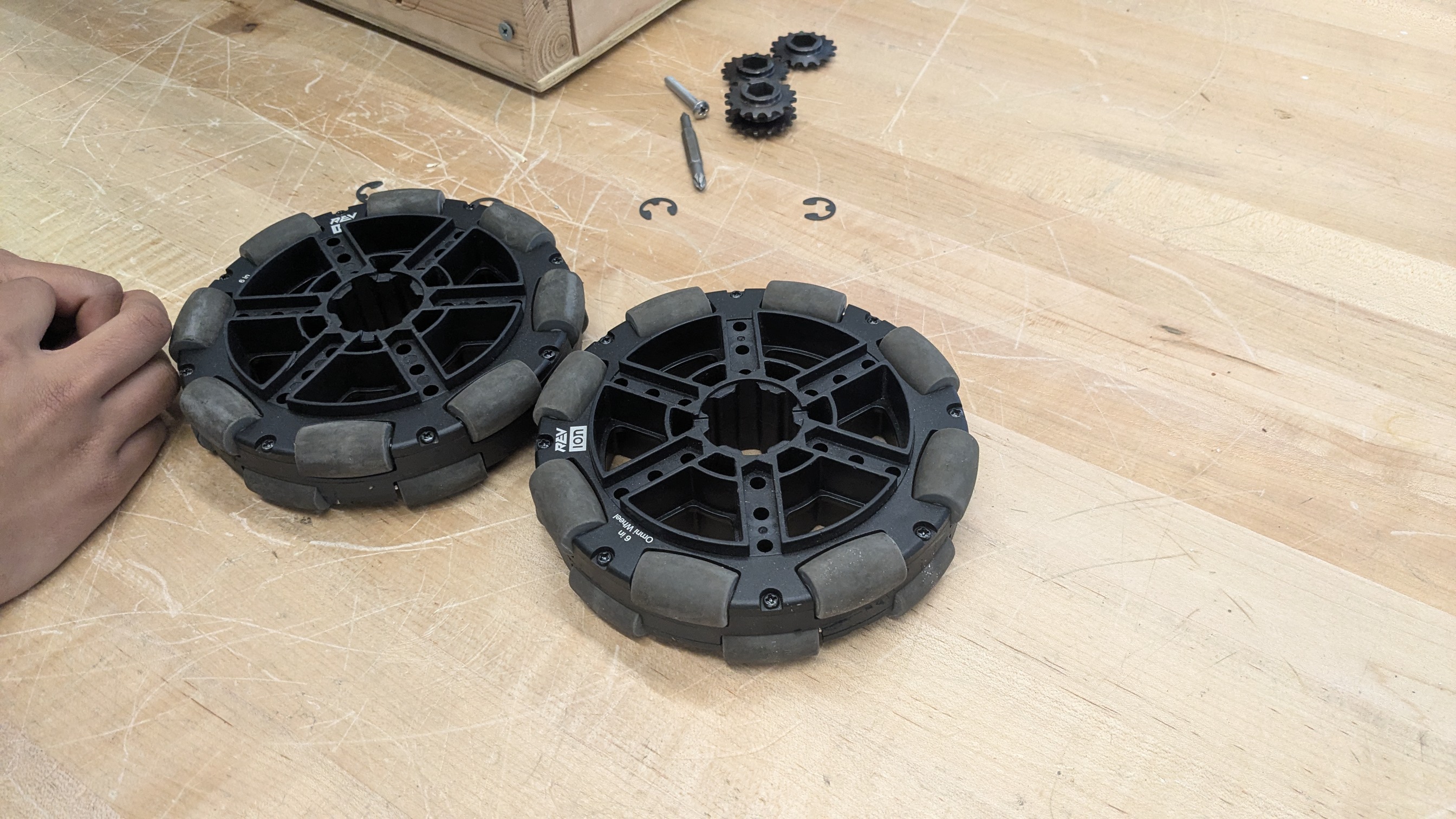
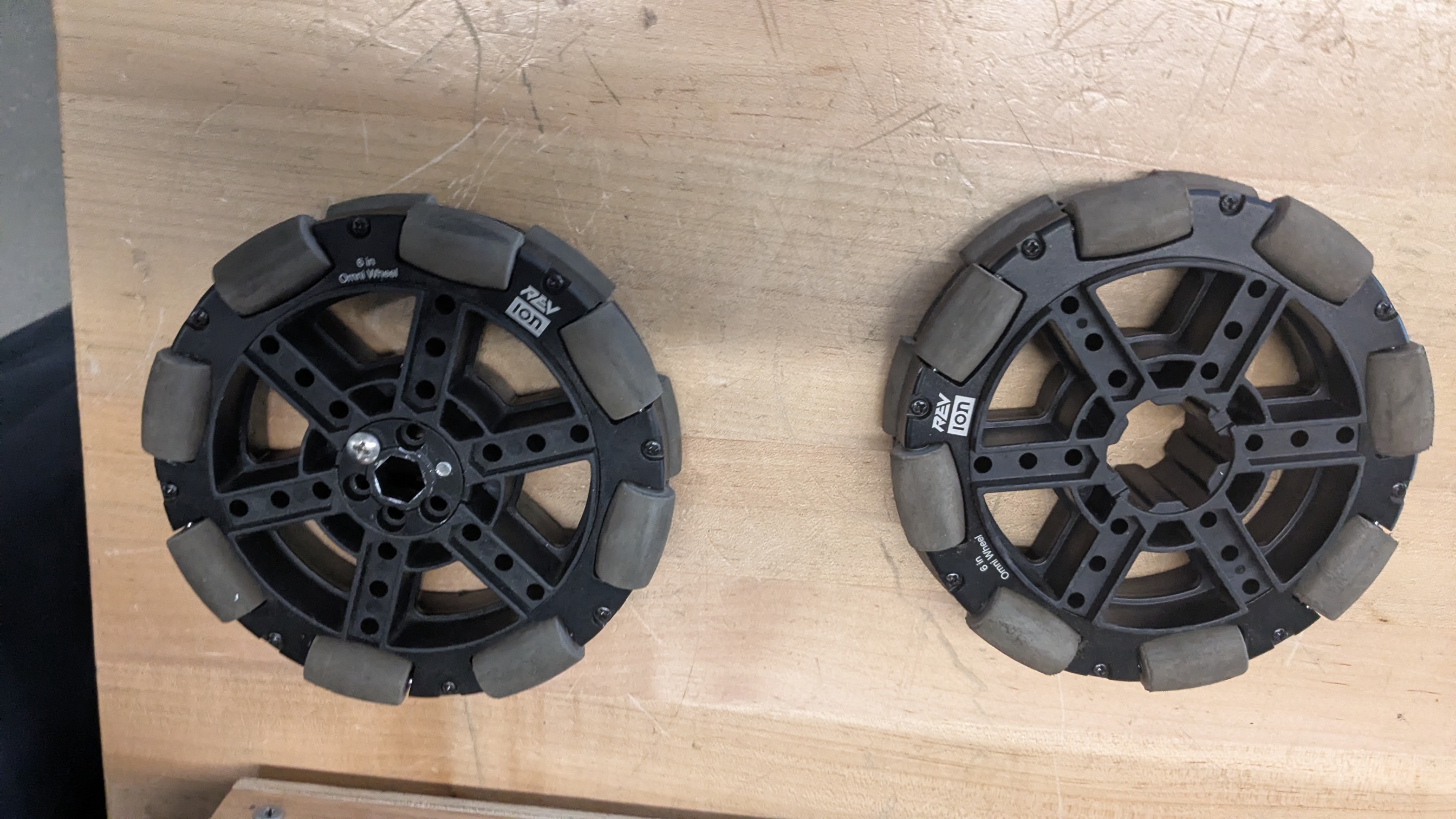
Several drivetrain concepts were explored before selecting the final configuration. CAD models were used to verify dimensions for the hex shafts and 3D printed parts, such as the battery case. We used these CAD models to futher check wheel placement, and component clearances before fabrication began. During assembly, adjustments were frequently required to account for real-world tolerances and variation in fabrication. We often had to re-lathe our hex shafts, for instance.
Test and Iterate
Components were assembled, tested, and modified repeatedly as new issues were discovered. This iterative process helped improve overall performance while providing valuable experience with mechanical design, fabrication, and troubleshooting. One main issue that we consistently saw was that our hex shafts did not cleanly fit with our gearboxes. It took many iterations of lathing hex shafts and slightly adjusting the gearbox for it to fully work in the end.
Repeated testing demonstrated the importance (and in fact, neccesity) of validating designs experimentally rather than relying solely on theoretical expectations from CAD designs.
Final Implementation
Our final robot was not a complete success, neither was it a complete failure. Indeed, our robot was able to be controlled through the RadioLink controller. However, as has been mentioned a few times, it lacked a significant amount of control. This made the robot somewhat inneffective on the obstacle course. We were only able to complete the Limbo, with help from the natural slope of the ground.